📖 Read pages 115 – 132 of 430 of Dealing with China by Henry M. Paulson, Jr.
A somewhat interesting section on The Nature Conservancy in China, but described far too simply in my opinion. While there is some good general advice within the chapter, there aren’t nearly enough specifics that an executive trying to recreate this type of action could use it as a template. And somehow the banking portion seems to come front and center before the conservation portion.
Former head of Goldman Sachs and U.S. Treasury Secretary Henry M. Paulson , Jr. and the cover of his 2015 book Dealing with China
📖 Read pages 86 – 115 of 430 of Dealing with China by Henry M. Paulson, Jr.
Cleaning the Stables in Guangdong was interesting, but could have had some more details and data (or a better case study, given its potential value). Alas it was just a quick overview of two years of work, possibly because editors thought it might be overly boring, but really who is going to read this book, but people who want these types of details.
I find at times in the book, he becomes overly gracious and almost too complimentary which I take to mean that he is still ingratiating himself to colleagues and potential future relations.
The chapter on School for Success could itself have been a better and more in-depth case study, but was a short historical outline.
There are some occasional interesting tidbits hidden throughout the chapters which are generally illuminating, but I wish there were more useful insider tidbits of true value. So far I’m not reading anything much more valuable than could be found in overview newspaper articles covering some of the same topics.
Former head of Goldman Sachs and U.S. Treasury Secretary Henry M. Paulson , Jr. and the cover of his 2015 book Dealing with China
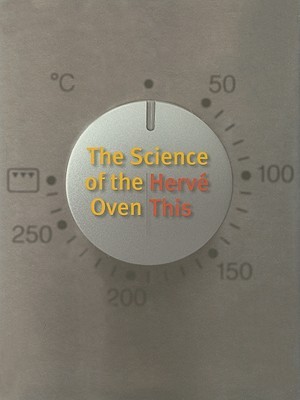
📖 On page 157 of 206 of The Science of the Oven by Hervé This
… an odor in the kitchen is a symptom of odorant molecule loss (logically, kitchens should not smell good, because then we would be sure that the pleasing odors remained in the pots.)
📕 100.0% done with Fletch Reflected by Gregory Mcdonald
I think this was the first (and only) in the Fletch series with an A and a B plot going on simultaneously. There wasn’t as much mystery or whodunnit as past books despite the number of suspects in something like Fletch’s Fortune. The ending was relatively interesting and certainly unexpected. I wouldn’t say it was very satisfying.
I’d rank this one toward the bottom of the series overall.
📖 49.0% done with Fletch Reflected by Gregory Mcdonald
This one immediately follows Son of Fletch, literally by few hours. It didn’t start out with the same type of bang that most of the Fletch series has, instead it was about 20% into the story before we knew quite what ride we were on. Now that’s it’s going, it’s as interesting as most Fletch tales.
📖 64.0% done with Son of Fletch by Gregory Mcdonald
This is where things begin to go sideways! Here comes the third act… Much of what I anticipated was going to happen has; the question now is how will he manage to extract himself (and his friends/family)?
📖 57.0% done with Son of Fletch by Gregory Mcdonald
We’re starting to go somewhere, but I can sadly already almost predict the ending. In particular, there was a ham-handed mention of a car that gave the whole thing away for me.
Of all of the Fletch books, so far this one seems to be the biggest influencer for the creation of portions of the movie Fletch Lives, which was otherwise made out of whole cloth based on the character.
“I suspect it’s not every man’s dream to discover his son is a cop-killing, escaped convict, racist, hate-group organizer.”
Highlight (yellow) Location 2276-2277
This revealing quote could have been its own stand-alone teaser text.
📖 25.0% done with Son of Fletch by Gregory Mcdonald
We’re off like a shot. Somehow it doesn’t seem terrifically believable that the escape convicts so easily take Fletch’s advice on where to hide, but he does a fantastic job of coralling them in the opeining.
Some of the overt “Southernness” feels overdone to me, but perhaps it was the effect of Mcdonald’s many years living in Tennessee which had a tarnishing effect.